
Where To Start With Guitar String Set Gauges
How to choose the best string gauge for you
The optimum string gauge for you can be highly subjective and multi-factored. There’s a lot that goes into choosing the gauge that works best for you and your guitar. Major factors include: scale length, tuning, tone, style, and feel. This applies to all string instruments. We’ll try to break these down in the simplest way today. Enter the warren…

Scale Length
This may be the most intuitive of the factors. Scale length refers to the length of the played part of the strings, which greatly affects tension. The shorter the scale, the lower the tension. This is why the same set of strings on a Les Paul and Stratocaster will feel totally different.

Tuning
Similarly to scale length, the lower the tuning, the lower the tension. This can be dramatic! As a rough rule of thumb, for every semitone you detune, you’ll need to go up a gauge. Clearly, there’s nuance here, but for a ballpark, this works.

Tone
What is the tone you’re trying to achieve? Generally, lighter = tighter low end, heavier = big, bolder lows. FYI, core shape can affect this too, but that’s a topic for another day.

Style & Feel
How do you want your strings to feel? You might like a flexible, easy feel for your blues solos, or you might want a heavy and tight for thrash riffs. You may want a bit of both… there are gauges for almost anything.
Final Thoughts
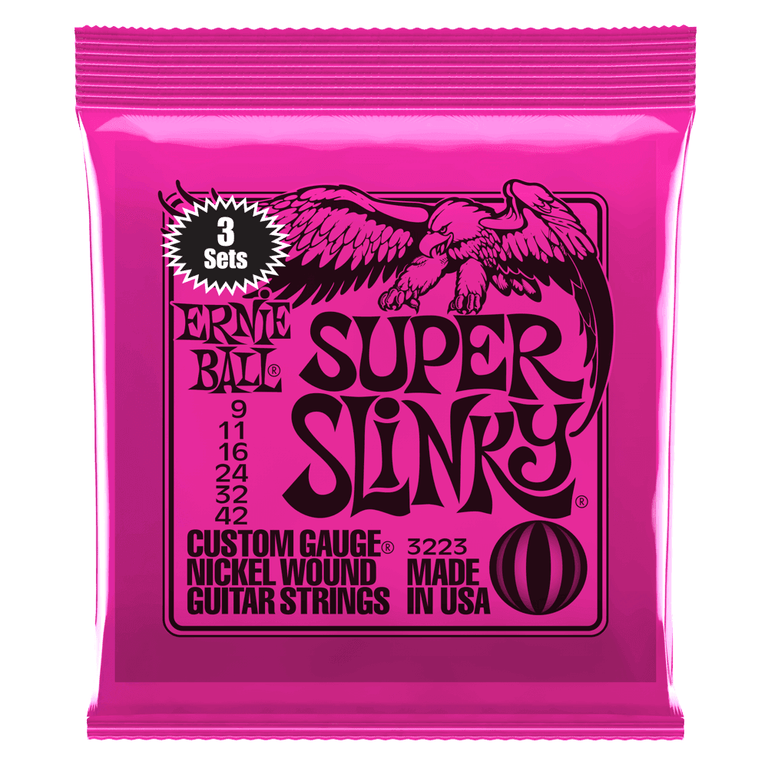
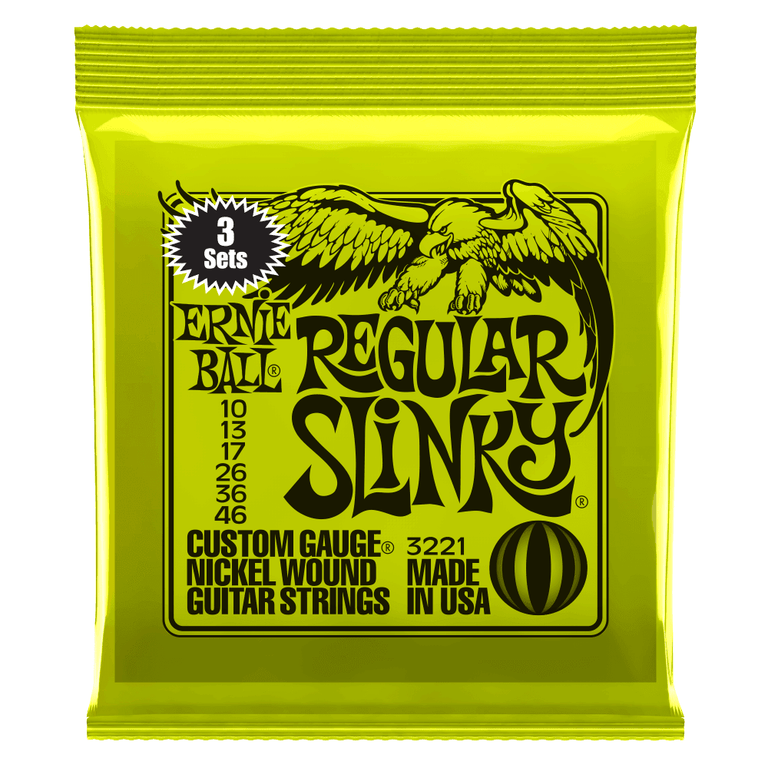
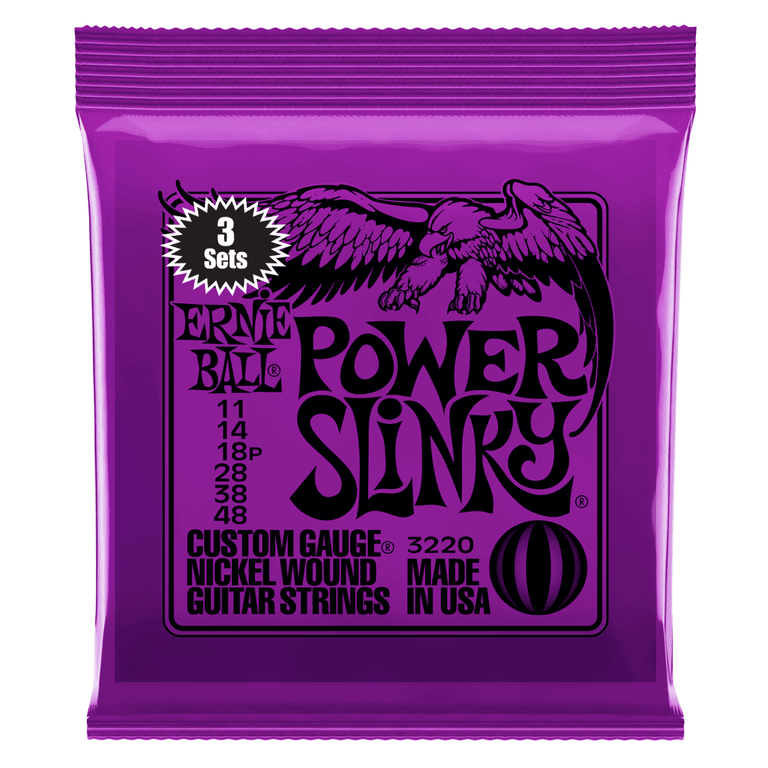
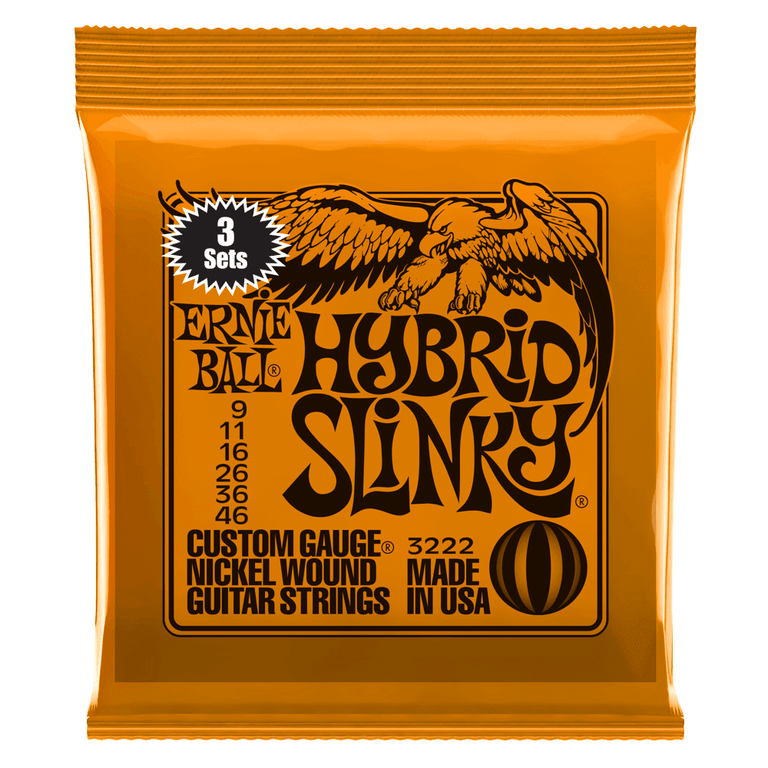
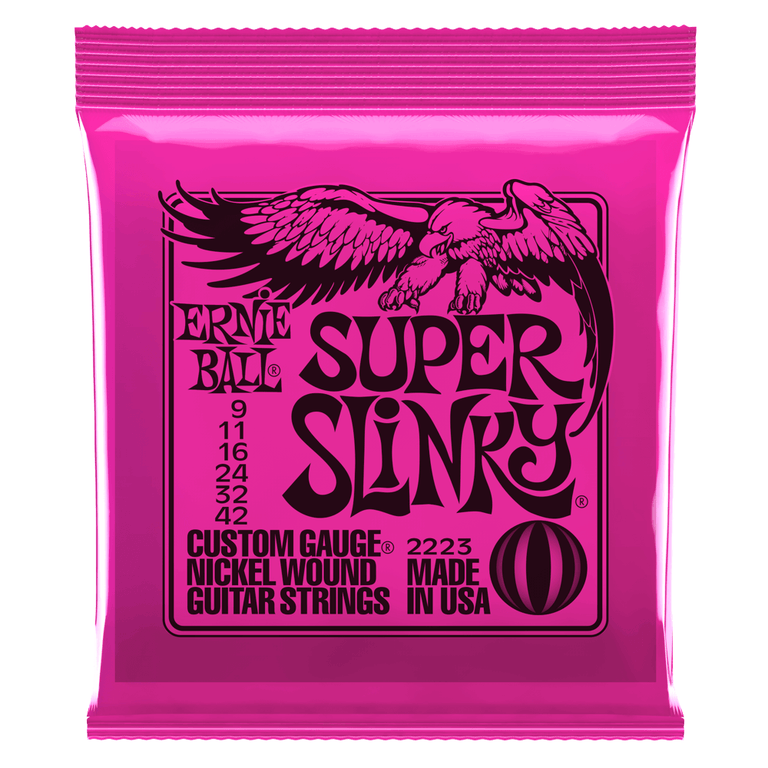
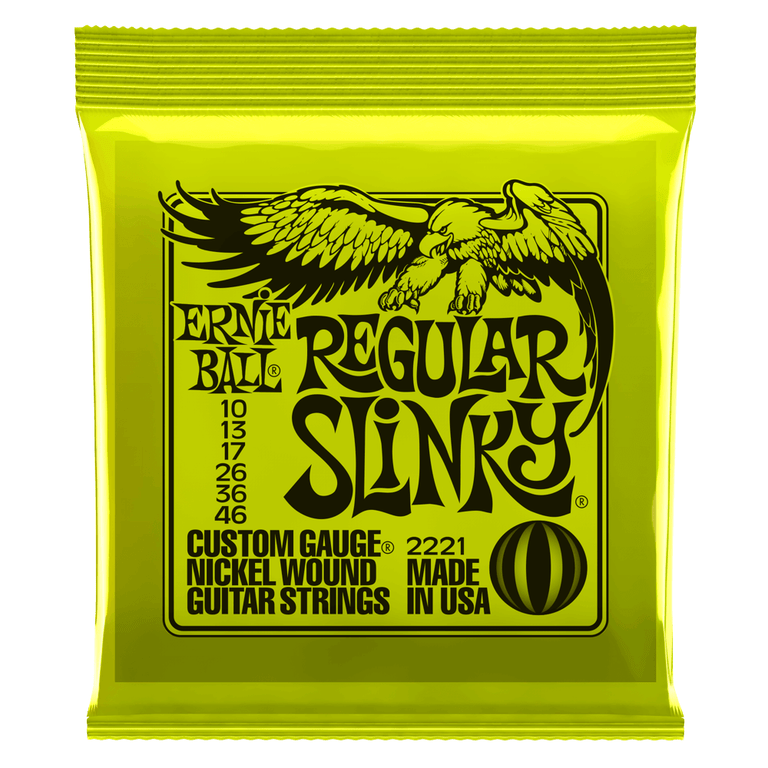
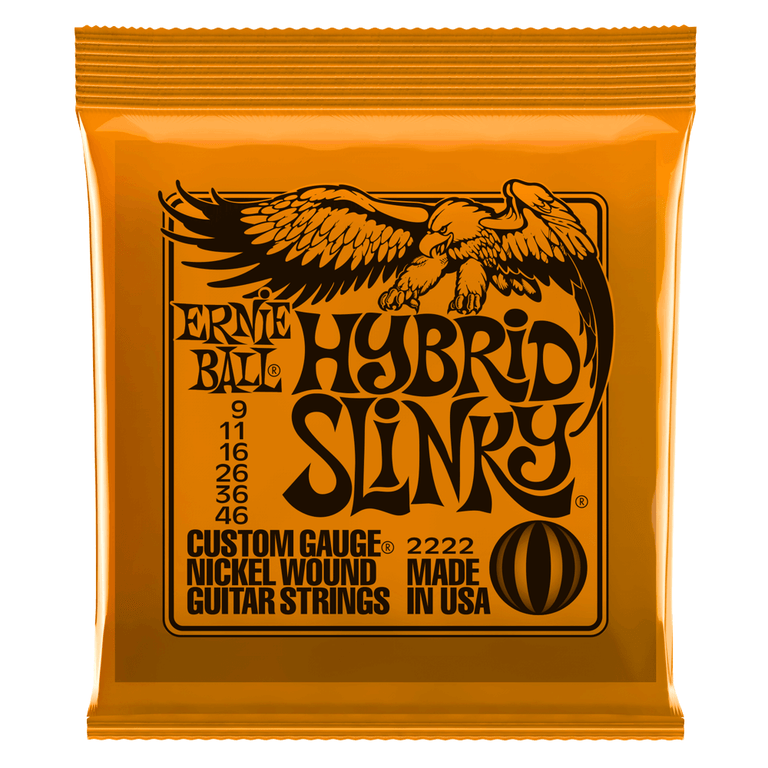
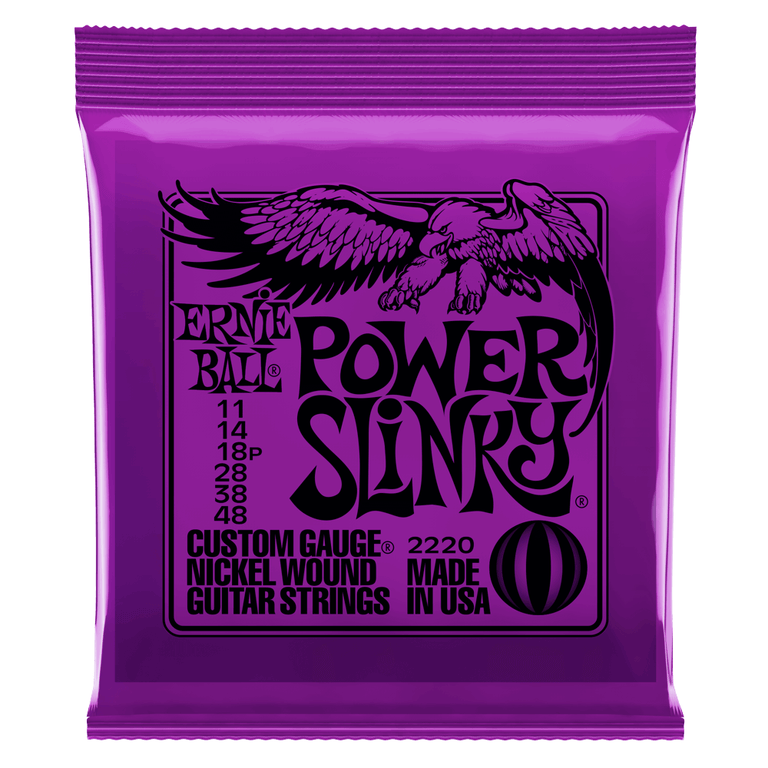
Balancing all of the factors above is how you’ll find the perfect string gauge for you. Use 10-46 as your starting point, and then run through these points above and increase/decrease accordingly. That’ll get you close. Remember hybrid gauges, and for anything obscure, our guitar tech email can help.
![D'Addario NYXL Nickel Wound 9-42 Electric Guitar Strings, Light [NYXL0942]](http://www.stringsdirect.co.uk/cdn/shop/products/NYXL0942_detail1_hi-res_768x768_crop_center.jpg?v=1689010645)
![D'Addario NYXL Nickel Wound 9-42 Electric Guitar Strings, Light [NYXL0942]](http://www.stringsdirect.co.uk/cdn/shop/files/D_Addario-NYXL-NPS-6-String-UPDATE_f030b748-897f-43a2-b86b-bee52f0f8c61_768x768.png?v=1705327898)
![D'Addario NYXL Nickel Wound 9-46 Electric Guitar Strings, Regular Light [NYXL0946]](http://www.stringsdirect.co.uk/cdn/shop/products/NYXL0946_detail1_hi-res_768x768_crop_center.jpg?v=1689010651)
![D'Addario NYXL Nickel Wound 9-46 Electric Guitar Strings, Regular Light [NYXL0946]](http://www.stringsdirect.co.uk/cdn/shop/files/D_Addario-NYXL-NPS-6-String-UPDATE_a354ea38-33e5-404f-b939-be81d006f087_768x768.png?v=1717689964)
![D'Addario NYXL Nickel Wound 10-46 Electric Guitar Strings, Regular [NYXL1046]](http://www.stringsdirect.co.uk/cdn/shop/products/NYXL1046_detail1_hi-res_768x768_crop_center.jpg?v=1689010524)
![D'Addario NYXL Nickel Wound 10-46 Electric Guitar Strings, Regular [NYXL1046]](http://www.stringsdirect.co.uk/cdn/shop/files/D_Addario-NYXL-NPS-6-String-UPDATE_125a1e41-9360-4d7d-a6ae-73356a14900c_768x768.png?v=1705327995)
![D'Addario NYXL Nickel Wound 11-49 Electric Guitar Strings, Jazz Rock [NYXL1149]](http://www.stringsdirect.co.uk/cdn/shop/products/NYXL1149_detail1_hi-res_768x768_crop_center.jpg?v=1689010541)
![D'Addario NYXL Nickel Wound 11-49 Electric Guitar Strings, Jazz Rock [NYXL1149]](http://www.stringsdirect.co.uk/cdn/shop/files/D_Addario-NYXL-NPS-6-String-UPDATE_7bfa63c4-17a5-4f37-9eba-f5bf1c1484b5_768x768.png?v=1705328059)
![D'Addario NYXL Nickel Wound 8-38 Electric Guitar Strings, Super Light [NYXL0838]](http://www.stringsdirect.co.uk/cdn/shop/products/NYXL0838_detail1_hi-res_768x768_crop_center.jpg?v=1689010616)
![D'Addario NYXL Nickel Wound 8-38 Electric Guitar Strings, Super Light [NYXL0838]](http://www.stringsdirect.co.uk/cdn/shop/files/D_Addario-NYXL-NPS-6-String-UPDATE_768x768.png?v=1705327674)
![D'Addario NYXL Nickel Wound 9-40 Electric Guitar Strings, Balanced Tension Light [NYXL0940]](http://www.stringsdirect.co.uk/cdn/shop/products/NYXL0940BT_detail1_hi-res_768x768_crop_center.jpg?v=1689010638)
![D'Addario NYXL Nickel Wound 9-40 Electric Guitar Strings, Balanced Tension Light [NYXL0940]](http://www.stringsdirect.co.uk/cdn/shop/files/D_Addario-NYXL-NPS-6-String-UPDATE_2a502dab-d722-4434-ad86-045156413d9e_768x768.png?v=1705327707)
![D'Addario NYXL Nickel Wound 9.5-44 Electric Guitar Strings, Light+ [NYXL09544]](http://www.stringsdirect.co.uk/cdn/shop/products/NYXL09544_detail1_hi-res_768x768_crop_center.jpg?v=1689010658)
![D'Addario NYXL Nickel Wound 9.5-44 Electric Guitar Strings, Light+ [NYXL09544]](http://www.stringsdirect.co.uk/cdn/shop/files/D_Addario-NYXL-NPS-6-String-UPDATE_f10ba4a3-d4d9-44c4-a608-debb0f58de0e_768x768.png?v=1705327958)
![D'Addario NYXL Nickel Wound 10-46 Electric Guitar Strings, Balanced Tension Regular [NYXL1046BT]](http://www.stringsdirect.co.uk/cdn/shop/products/NYXL1046BT_detail1_hi-res_768x768_crop_center.jpg?v=1689010517)
![D'Addario NYXL Nickel Wound 10-46 Electric Guitar Strings, Balanced Tension Regular [NYXL1046BT]](http://www.stringsdirect.co.uk/cdn/shop/files/D_Addario-NYXL-NPS-6-String-UPDATE_9ab75a51-873f-4707-903d-6f75c93375fa_768x768.png?v=1705328024)



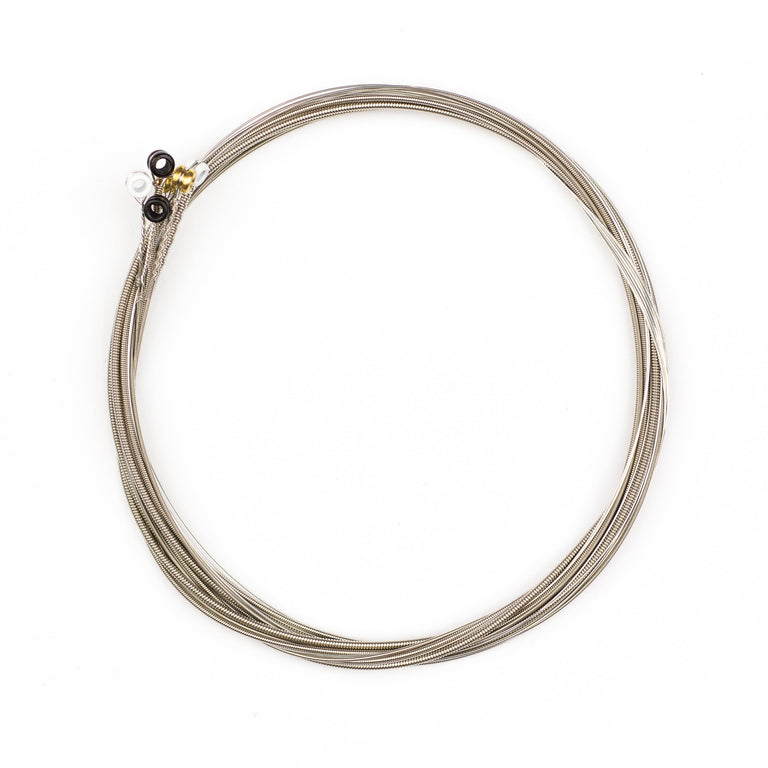
![Rotosound Swing Bass Stainless Steel 45-105 Bass Guitar Strings, Long Scale [RS66LD]](http://www.stringsdirect.co.uk/cdn/shop/products/RS66LD-F_768x768_crop_center.jpg?v=1689062834)
![Rotosound Swing Bass Stainless Steel 40-100 Bass Guitar Strings, Long Scale [SM66]](http://www.stringsdirect.co.uk/cdn/shop/products/SM66-F_768x768_crop_center.jpg?v=1689063240)
![Rotosound Swing Bass Stainless Steel 45-130 Bass Guitar Strings, Long Scale [RS665LD]](http://www.stringsdirect.co.uk/cdn/shop/products/RS665LD-F_768x768_crop_center.jpg?v=1689062812)
![Rotosound Swing Bass Nickel Wound 40-100 Bass Guitar Strings, Long Scale [SM66N]](http://www.stringsdirect.co.uk/cdn/shop/products/SM66N-F_768x768_crop_center.jpg?v=1689063247)
![Rotosound Swing Bass Nickel Wound 45-105 Bass Guitar Strings, Long Scale [RS66LDN]](http://www.stringsdirect.co.uk/cdn/shop/products/RS66LDN-F_768x768_crop_center.jpg?v=1689062837)
![Rotosound Swing Bass Nickel Wound 45-130 Bass Guitar Strings, Long Scale [RS665LDN]](http://www.stringsdirect.co.uk/cdn/shop/products/RS665LDN-F_768x768_crop_center.jpg?v=1689062815)
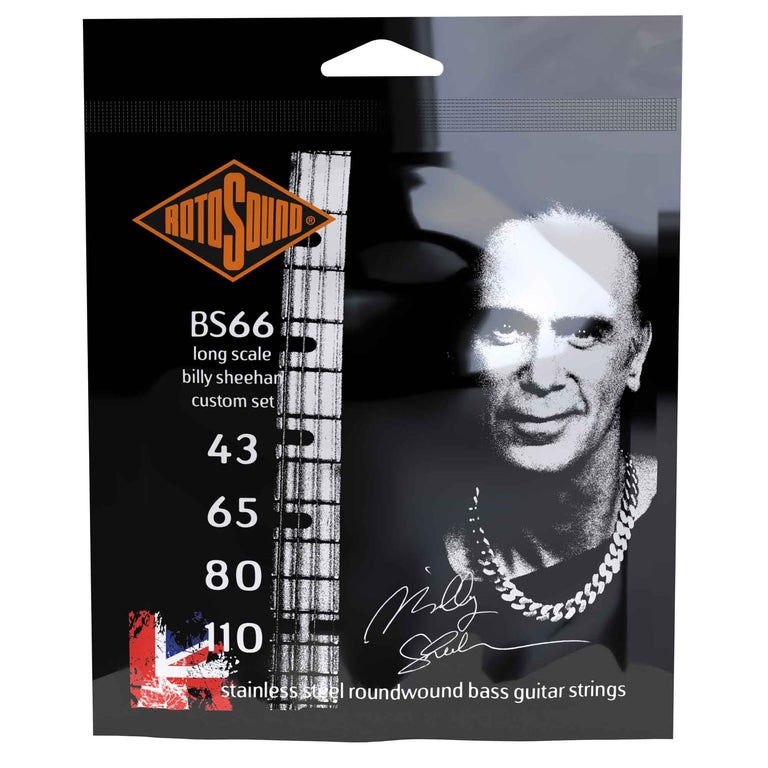
![Rotosound Swing Bass Nickel Wound 45-100 Bass Guitar Strings, Long Scale [RS66LN]](http://www.stringsdirect.co.uk/cdn/shop/products/RS66LN-F_768x768_crop_center.jpg?v=1689062849)